Gruuthusemuseum is open from 9:30am–5pm and closed every Wednesday. Plan around a 4:30pm last entry if you want more than a rushed highlights loop. The museum itself is steady rather than hectic, but holiday weekends, Christmas-market season, and peak Bruges sightseeing days make the courtyard precinct busier.
Bruges
Crafted by Headout, a global experiences brand offering curated tours, tickets & experiences. Discover with ease, book with peace.Loved by over 55 million guests worldwide
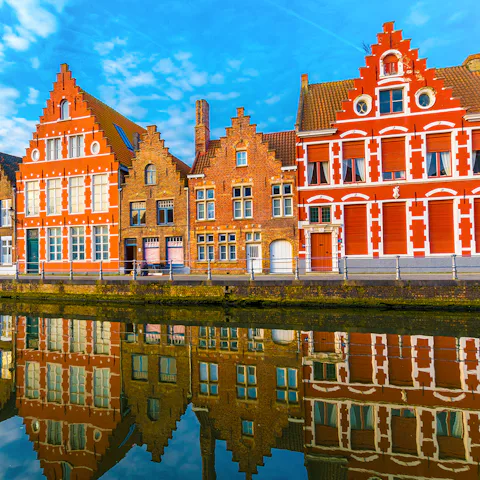
Housed in a late-medieval city palace beside the Church of Our Lady, Gruuthusemuseum is a history-and-decorative-arts museum that explains Bruges through the rooms where elite life once unfolded. You enter through the courtyard pavilion and follow a self-guided route across multiple floors, moving between palace interiors, tapestries, lace, manuscripts, sculpture, ceramics, and city-history displays. Most visits take 1–2 hours. What sets it apart is that the building does as much storytelling as the collection, especially in Louis of Gruuthuse’s private oratory overlooking the church chancel. This guide helps you decide whether that palace-and-city-history format fits your Bruges plans.
Plan your visit to Gruuthusemuseum
Opening hours
Best time to visit
The first opening hour is the calmest time for the oratory, upper rooms, and balcony, because narrow passages fill quickly once groups arrive. Weekday mornings from November to March are the quietest overall. For better weather without peak summer density, May and September are the strongest compromise.
What to do at Gruuthusemuseum
Start with Louis and the oratory
Begin with the model of the palace, the portrait of Louis of Gruuthuse, and the family story before moving deeper into the building. That context makes the rest of the route easier to read, because objects stop feeling isolated and start mapping onto power, devotion, and daily life. Prioritize the private oratory early if the museum is getting busier.
The museum makes the most sense when you understand that this palace reflects several Bruges identities at once. The Gruuthuse family belonged to the city’s late-medieval elite, and Louis of Gruuthuse became a major Burgundian court figure, which explains the scale, prestige, and devotional spaces you see in the house. But the building was not frozen in the 15th century. Later centuries changed how Bruges lived, and the 19th-century neo-Gothic revival reshaped how the city presented its medieval past. That is why the museum feels layered rather than perfectly period-pure: you are seeing both historic life and Bruges’ later reinvention of its own history. [Full history page]
Need to know
- The museum is not wheelchair accessible; the route includes multiple floors, small level changes, and narrow historic stairs, and there is no visitor lift.
- The audio content is free, but it runs on your own phone, so bring a charged battery and headphones.
- Children up to the age of 12 years enter free, but a free reservation may still be needed in some booking flows.
- External private guides cannot guide inside the museum; official Musea Brugge guides must be booked for guided visits.
Worth knowing
- The €19 duo ticket with the Church of Our Lady is the neatest pairing in Bruges because the museum’s oratory directly overlooks the church interior, and the combo stays valid for 72 hours.
- If you only have an hour, prioritize Louis’s portrait, the private oratory, one pass through the decorated rooms, and the balcony at the end.
