Plan your perfect Bruges canals cruise

How to plan a Bruges canal cruise

Overview

A Bruges canal cruise offers a short boat journey through the historic waterways of Bruges. The route passes quiet canals, stone bridges, and medieval buildings that define the city’s center while offering a unique perspective of the city from the water.

Travel logistics

Most canal cruise experiences for cruise passengers and day trips begin with transportation from the meeting point. Two common starting locations are Carrefour Express Brugge Station near Bruges railway station and the cruise port in Zeebrugge for the round-trip shuttle service.

Plan your day

  • Quick visit (2 to 3 hours): Take the canal cruise for a peaceful glide through Bruges waterways and spend time walking around the central canals and nearby historic streets in the old town.
  • Half day (4 to 5 hours): Start with the canal cruise, then explore the center around Markt Square. Pause for lunch, then explore the Belfry of Bruges, the Basilica of the Holy Blood, and the Church of Our Lady.
  • Full day (6+ hours): Begin with the canal cruise, then explore the historic center of Bruges, including the main squares, churches, and quieter canals. Later, stop for lunch and continue exploring highlights such as the Belfry of Bruges, the Basilica of the Holy Blood, and Bonifacius Bridge before returning home.

Handy tips

  • Tickets: Many tours include the cruise and transfers from the meeting points, so booking ahead (at least 2 weeks in advance) helps secure a place.
  • Best times: Early morning departures help avoid peak crowds on the canals. Late afternoon rides can be quieter depending on the season.
  • Rules: Boarding involves stepping into a small boat, so comfortable footwear helps. Large luggage is not practical on canal boats.
  • Pro tip: Take the canal cruise early in the day so the canal layout is easier to recognize while exploring Bruges afterward.

Must-see sights along the Bruges canals

Rozenhoedkaai

This iconic canal corner is one of the most photographed spots in Bruges. Boats glide past medieval stepped-gable houses while the reflections in the calm water create a picture-perfect scene of the historic city.

Dijver Canal

Running through the heart of the old town, the Dijver canal passes historic buildings and museums. Its stone embankments and Gothic façades highlight Bruges’ rich trading history and provide striking waterside views.

Groenerei Canal

The Groenerei is a quiet, tree-lined canal offering a peaceful contrast to the busier city streets. Boats pass brick houses, small arched bridges, and tranquil waters, making it one of the most scenic stretches in Bruges.

Spiegelrei Canal

This wider canal stretch showcases elegant canal houses and grand façades. The open water offers wide, unobstructed views of classic Flemish architecture and the reflections of historic buildings in the canal.

Hidden courtyards and waterside gardens

Along the quieter canals, peek behind the brick walls to spot tiny courtyards and waterside gardens. Watch out for ivy-covered façades, swans drifting by, and calm waters that make it feel like you’ve stepped into a storybook.

Bonifacius Bridge

A small stone arch bridge spanning a narrow canal bend, Bonifacius Bridge is visible from most Bruges canal cruises. Boats pass beneath it, highlighting the symmetry of its arches, the calm water below, and the historic houses along the canal banks.

Jan van Eyckplein (Canal Side)

This historic square borders the canal, featuring traditional guild houses and waterside cafés. From the boat, the ornate stone façades and charming canal setting capture the essence of Bruges’ trading past.

Langerei Canal

The Langerei is a longer, residential stretch of canal where boats pass narrow historic houses with stepped gables and wrought-iron balconies. This quieter route offers an intimate glimpse of everyday life along the canals.

Historic canal houses and gabled façades

Throughout the cruise, narrow brick houses with decorative gables, ornate windows, and colorful shutters line the waterways. These façades reflect Bruges’ prosperous medieval merchant era.

What to know before your Bruges canal cruise

  • Plan ahead: Bruges canal cruises run year-round, but the busiest season is June through October. Weekend, holiday, and sunset departures fill up quickly, so book early if you want a specific time or boat type.
  • Ticket options: Choose from guided tours with optional beer tastings or a round-trip shuttle from Zeebrugge to Bruges. These tours make it easy to start your Bruges journey smoothly and enjoy the city from the water.
  • Transfers & boarding: Tours may pick up from Zeebrugge or meeting points like Carrefour Express Brugge Station. Arrive at least 15 minutes before boarding, as ticket validation begins before departure.
  • Duration & route: Cruises typically provide a full overview of Bruges’ canals and key landmarks, while guided tours allow extra time to explore the historic center on foot. Cruises run in light rain under covered sections, so bring a light jacket or umbrella and enjoy the canals come rain or shine.

Getting to the Bruges canal cruises starting point

This is the most seamless and hassle-free guided way to reach the starting point of Bruges canal cruises.

  • Time: Approximately 20 minutes one way
  • Pros: Direct transfers, no navigation stress, small group options, often includes extra experiences
  • Cons: Less flexibility than traveling independently

Best for: Comfortable transfers from outside the city and major Belgian cities

Trains from Brussels, Ghent, and nearby towns run regularly to Brugge station, although they can be crowded during peak hours.

  • Time: 55–65 minutes from Brussels, 30 minutes from Ghent
  • Cost: €10–€20 depending on origin
  • Pros: Fast, reliable, flexible scheduling
  • Cons: Crowded during rush hours; local connections may be needed to reach meeting points

Best for: Quick and frequent transfers connecting the station or city to the cruise meeting points

Local buses link Brugge Train Station with the city centre, while regional services connect Bruges to Zeebrugge Cruise Port.

  • Time: 10–20 minutes within Bruges; 30–40 minutes from Bruges to Zeebrugge
  • Cost: €3–€6 per ride
  • Pros: Affordable, simple for short distances
  • Cons: Less frequent than trains; multiple stops can slow travel

Best for: Flexibility and families wanting to create their own route with stops along the way.

Use E40 from Brussels to Bruges or N31 from Bruges to Zeebrugge.

  • Time: 10 minutes from central Bruges to city meeting points; 25–30 minutes to Zeebrugge
  • Cost: Fuel plus parking fees (€10–€20/day typical)
  • Pros: Flexible schedule, convenient for multiple stops
  • Cons: Narrow streets, limited parking, peak-season traffic

How to get around in Bruges

The historic centre of Bruges is compact and extremely walkable, with major sights, squares, canals, and museums all within short distances. Walking is often the easiest way to explore the city’s core, especially between canal areas and old town highlights.

  • Time: 10–25 min between the main squares and canals
  • Cost: Free
  • Best for: Most travellers, budget visitors
  • Cons: Long distances can add up, and cobblestones are uneven in spots

Bruges has a local bus network run by De Lijn, linking the train station, ’t Zand, Markt area, and other hubs. Buses are useful for short hops or reaching the edges of the city, with regular services though less frequent than walking distances.

  • Time: 5–20 min between stops
  • Cost: €3 per ticket
  • Pros: Covers most hubs, accessible for mobility needs
  • Cons: Can be slower with multiple stops, limited routes in centre

Taxis and rideshares like Uber operate around major squares and the train station. Bike taxis with pedal-powered seats are also available near Market Square. These are convenient for short hops or when walking is tiring.

  • Time: 5–15 min per trip
  • Cost: €10+ per ride depending on service
  • Best for: Small groups, travellers with luggage
  • Cons: More expensive than buses, availability varies

Driving in the city centre is discouraged due to narrow, pedestrianised streets. Renting a car or bike is best for exploring outside the core or reaching nearby countryside. Cycling is popular with many dedicated lanes, making it easy to cover more ground than walking.

  • Time: Flexible
  • Cost: Bike rentals €5–€10 per hour, car rental €60+ per day plus parking fees
  • Best for: Flexible itineraries, exploring wider region
  • Cons: Limited parking, narrow streets, traffic near historic centre

More things to do in Bruges (if you have the time)
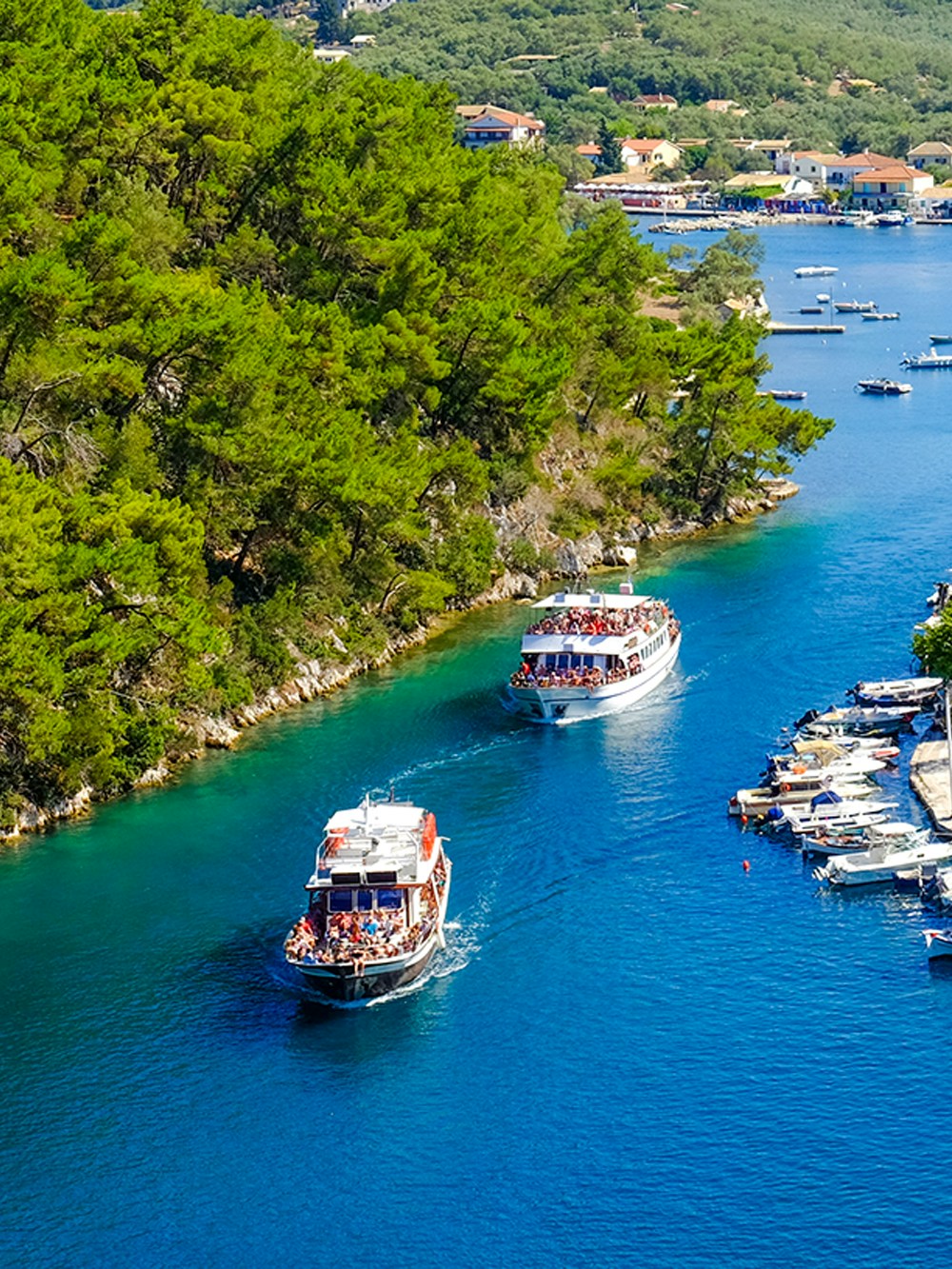
Boats navigating the canal on Paxos Island, Greece, surrounded by lush greenery.
Placeholder Image Headout Blimp
1/6

Historium Bruges

Step back in time and wander through Bruges’ medieval streets without leaving the building. The immersive rooms and interactive exhibits make history feel alive and fun.

Choco‑Story (Chocolate Museum)

Discover why Belgium is famous for chocolate and treat yourself along the way. Taste samples, watch chocolatiers at work, and uncover a few sweet secrets.

Frietmuseum

Yes, there’s a whole museum for fries! Learn how these golden delights became a Belgian obsession, and maybe grab a snack while you’re at it.

Beguinage Ten Wijngaerde

Immerse yourself in this quiet, leafy courtyard that feels like a world away from the busy squares. Stroll around, snap photos, and enjoy a moment of calm among the whitewashed houses.

Gruuthuse Museum

Peek inside a historic mansion filled with beautiful art and period furniture. It’s a charming spot to slow down and soak up some local history.

Windmills on Kruisvest

Take a short walk along the old city walls and find the windmills. They make a peaceful stop, with lovely views over the canals and rooftops.

Where to eat in Bruges

‘t Brugs Beertje

A classic Belgian beer bar known for its huge selection of local brews and hearty pub snacks.

  • Where it is: Close to the Markt
  • Cuisine: Belgian pub / snacks
  • Rating: ⭐ 4.5/5 (Google)
  • Must-try: Local beer flights

De Pepermolen

Historic restaurant serving traditional Belgian dishes in a charming setting.

  • Where it is: Langestraat
  • Cuisine: Belgian classic
  • Rating: ⭐ 4.6/5 (Google)
  • Must-try: Mussels and fries

Poules Moules

Popular spot specializing in the classic Belgian dish moules-frites.

  • Where it is: Simon Stevinplein
  • Cuisine: Belgian
  • Rating: ⭐ 4.3/5 (Google)
  • Must-try: Moules-frites

Mozart Restaurant Brugge

Well-known restaurant near the centre with a broad menu of Belgian and European dishes.

  • Where it is: Sint‑Jakobsstraat
  • Cuisine: European / Belgian
  • Rating: ⭐ 4.6/5 (Google)
  • Must-try: Mussels, steak, local favourites

Where to shop in Bruges

Steenstraat

The main shopping artery of Bruges, Steenstraat is ideal for combining popular international brands with local Belgian retailers. The street is always lively, framed by historic architecture, and makes for a pleasant stroll while browsing a wide variety of shops.

What to find: Fashion, accessories, bags, and everyday shopping in a vibrant historic setting

Zuidzandstraat & Noordzandstraat

These parallel streets to Steenstraat are slightly quieter but equally appealing. They feature a mix of fashion boutiques, jewellery stores, and specialty shops, offering shoppers a more relaxed pace while still being in the heart of the city.

What to find: Clothing, jewellery, accessories, and boutique finds

Langestraat & Hoogstraat

Known for their eclectic charm, these streets are home to vintage stores, quirky fashion outlets, and hidden boutique gems. Shoppers looking for one-of-a-kind pieces or retro treasures will find plenty to explore.

What to find: Vintage clothing, retro finds, unique boutique items, and artisanal gifts

’t Zand Market

A lively Saturday market that draws locals and visitors alike. Here you can browse a mix of food stalls, handcrafted goods, antiques, and other unique finds while soaking in the bustling market atmosphere.

What to find: Food, crafts, antiques, handmade goods, and local specialties

Tips from locals

  • Start early for the best canal views: Bruges gets crowded by mid-morning, especially at Rozenhoedkaai and the Belfry area. Arrive around 9 am to enjoy quieter canals and unobstructed photo opportunities.
  • Use side streets and bridges for scenic shots: While Rozenhoedkaai is iconic, smaller bridges along the Dijver and near Wollestraat provide equally beautiful views with fewer tourists.
  • Walk or bike to explore hidden corners: The city centre is compact. Exploring on foot or by bike allows you to discover secret courtyards, artisan shops, and quiet canals not visible from boats.
  • Try local cafés and eateries away from main squares: For authentic Belgian food and coffee, head to Sint-Amandsstraat, Ezelstraat, or quieter canal-side cafés rather than the busy Markt.
  • Respect quiet zones in churches and chapels: Many small churches are active worship sites. Keep noise low and avoid flash photography.
  • Check the weather: Winters are cold and rainy; waterproof shoes and jackets are essential. Summer mornings offer calmer waters and fewer crowds.

Frequently asked questions about visiting Bruges canals

A standard sightseeing cruise lasts about 30–50 minutes, covering the main canals, historic merchant houses, bridges, and Rozenhoedkaai. Special themed or evening cruises may last longer, around 1–2 hours, depending on the operator.